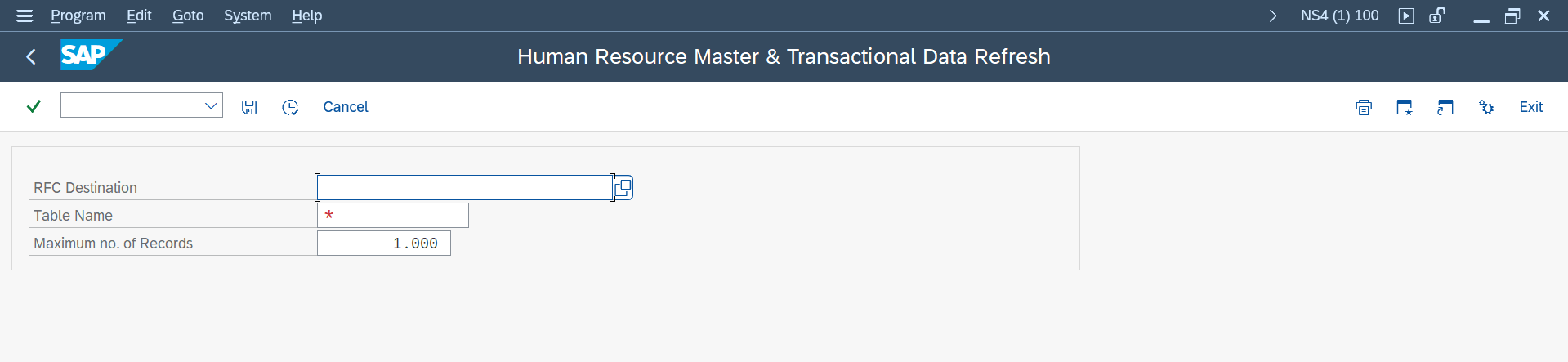
Full Refresh
In the DMAG Migration framework executes the entire sequence of data handling: starting from the initial extraction of the complete source dataset, through transformation and mapping to align with SAP-specific structures, and concluding with the complete overwrite of the target data to ensure 100% synchronization.
DMAG have the processes mentioned above picture.
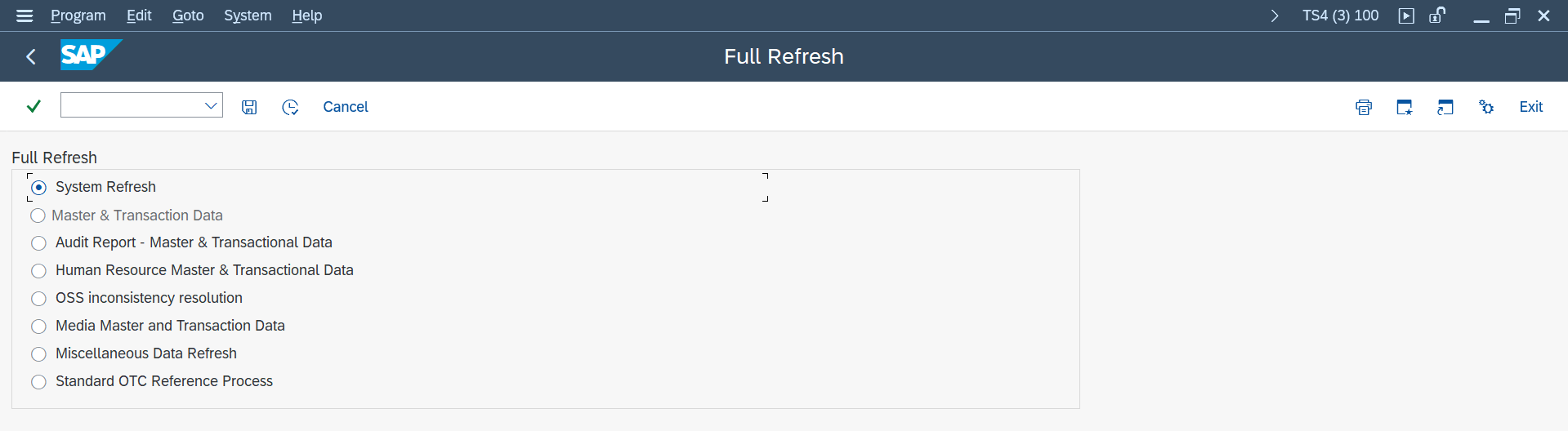
System Refresh

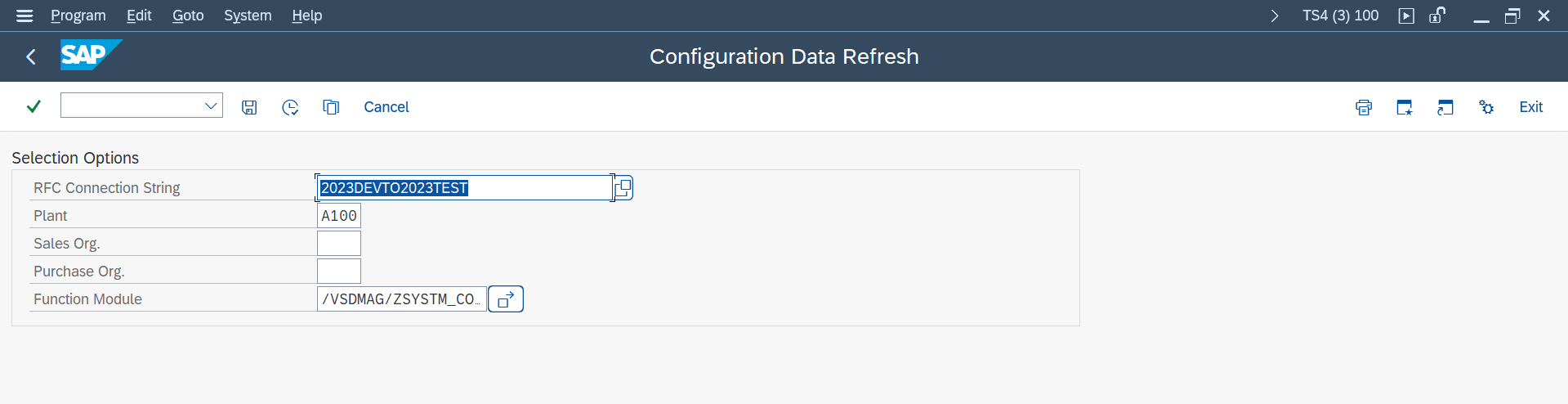
Configuration Table Refresh
The process migrates Configuration Table data from the Source (ECC) to the Target (S/4HANA) system using RFC calls. Execution requires a mandatory Function Module input, where a unique Function Module is assigned to handle each specific group of tables.
Key Features of the Configuration Migration
DMAG have the processes mentioned above picture.
Number Ranges Data Refresh
This process facilitates the migration of Number Range configurations from the Source system to the Target system via RFC. It ensures that the numbering sequences for business objects (such as Customers, Vendors, or Documents) remain synchronized and consistent across the landscape.
Functional Highlights
- Synchronization: Transfers Number Range Intervals and current statuses to ensure the Target system continues exactly where the Source left off.
- RFC Connectivity: Uses a secure Remote Function Call to extract range definitions directly, eliminating the risk of manual entry errors.

Master & Transaction Data
The process migrates master and Transaction Table data from the Source (ECC) to the Target system using RFC calls. Execution requires a mandatory Function Module input, where a unique Function Module is assigned to handle each specific group of tables.
Key Features:
- Automated Data Transfer: Uses Remote Function Calls (RFC) to pull configuration data directly between systems.
- Modular Architecture: a unique Function Module for every table group to ensure data integrity and specific mapping logic.
- Performance Optimization: The Packet Size parameter is critical for preventing memory overflows; it breaks down mass data transfers into smaller, sequential packets.
Audit Report – Master & Transaction Data
This auditing process ensures data consistency by performing a direct comparison between the Source (ECC) and Target (S/4HANA) systems via RFC. By utilizing a unique Function Module for each table group, the system maintains high data integrity throughout the verification phase.
Key Features:
- Integrity Assurance: Uses specialized Function Modules to validate that data structures and content remain intact during the move.
- Record Count Validation: Automatically compares the total number of records in the Source system against the Target system to confirm a 1:1 migration.
- Gap Identification: Specifically designed to highlight any discrepancies or missing records, ensuring 100% of the data has been successfully transferred.
- RFC-Driven Verification: Synchronizes real-time data checks across the landscape without requiring manual extraction or external tools.

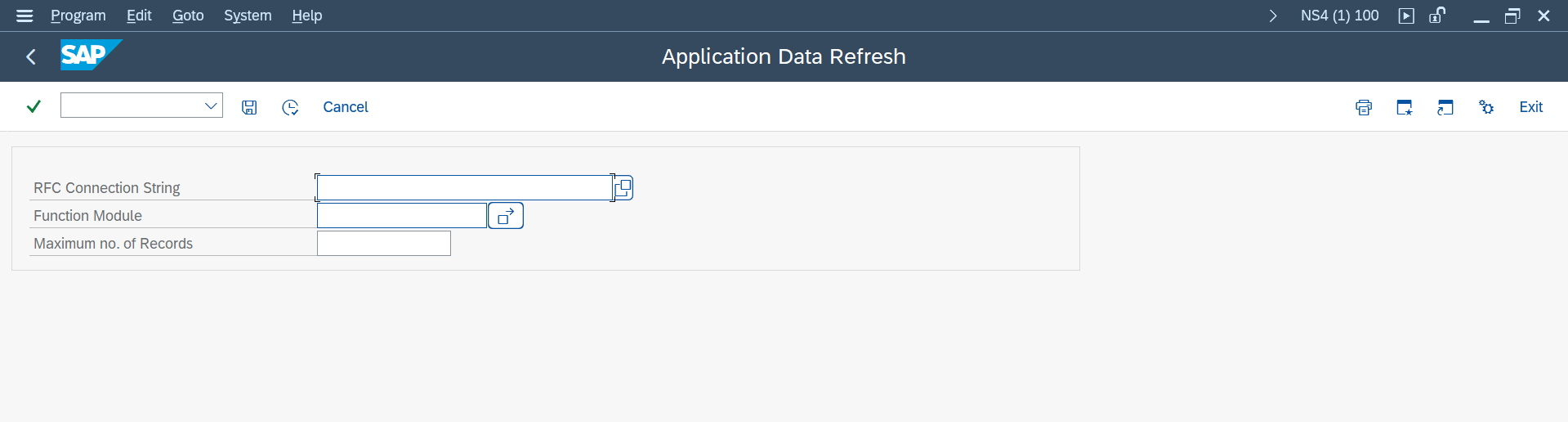
Human Resource Master & Transaction Data
The migration process transfers data from the Source system to the Target system using an RFC destination. Execution requires two mandatory inputs: the RFC string and the specific Human Resources (HR) Table Name. To handle high-density data efficiently, the tool utilizes Packet Size settings to process large volumes in manageable chunks.
Core Functionality of the HR Data Migration
- Connectivity: Leverages Remote Function Calls (RFC) to establish a secure link between the source and target environments.
- Targeted Selection: The Table Name input ensures that only data relevant to the Human Resource business process is extracted and migrated.
- Performance Optimization: The Packet Size parameter is critical for preventing memory overflows; it breaks down mass data transfers into smaller, sequential packets.